
Tips for Creating a Cozy and Inviting Home Environment
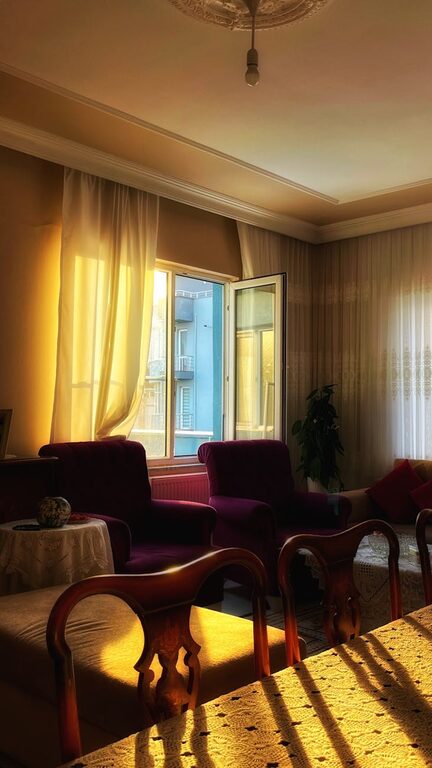
Creating a cozy and inviting home environment is something many of us strive for. A warm and welcoming home not only makes daily life more enjoyable but also provides a comforting space to relax and recharge. Whether you live in a small apartment or a spacious house, there are plenty of ways to cultivate that inviting atmosphere without major renovations or expensive purchases.
In this article, we’ll explore practical tips and easy ideas to help you design a cozy home you’ll love coming back to.
Understanding What Makes a Home Cozy
Cozy doesn’t just mean warm or cluttered; it’s about creating a sense of comfort and belonging. This feeling often combines soft textures, warm lighting, thoughtful decor, and personal touches. A cozy home invites people to linger, relax, and feel safe.
Before diving into specific tips, keep in mind that coziness is subjective. What feels cozy for you might differ for someone else. The key is to create a space that reflects your personality and lifestyle while promoting relaxation and warmth.
Use Warm and Soft Lighting
Lighting is one of the most impactful elements in setting a cozy mood.
– Avoid harsh overhead lights. Opt for softer alternatives like table lamps, floor lamps, or wall sconces.
– Use warm white bulbs instead of cool white or daylight bulbs. Warm light, often around 2700K to 3000K temperature, creates a welcoming atmosphere.
– Add candles or string lights to enhance the ambiance, especially during evenings.
– Dimmer switches can help you adjust the brightness based on the mood or activity.
Choose Comfortable and Inviting Furniture
Comfort is key to coziness, so pay attention to the furniture you choose.
– Invest in plush seating. Sofas or chairs with soft cushions, throws, and pillows invite relaxation.
– Layer your seating with textiles. Adding a soft throw blanket over the arm of a couch or a few decorative pillows instantly makes a space more inviting.
– Prioritize function and comfort over style alone. Sometimes, the most stylish chair isn’t the most comfortable.
– Consider furniture arrangement that encourages conversation and easy movement, making the space feel friendly and accessible.
Incorporate Textures and Layers
Different textures add depth and interest to a room, enhancing warmth and coziness.
– Use rugs to soften floors, especially in rooms with tile or hardwood. A plush area rug can add warmth underfoot.
– Add varied textiles like knit blankets, velvet cushions, or linen curtains.
– Mix natural materials such as wood, wool, cotton, and jute for a balanced look.
– Layering these textures in your decor creates a tactile experience that appeals to the senses.
Bring Nature Indoors
Natural elements are known to boost mood and comfort.
– Houseplants can purify the air and add a lively green touch.
– Use natural materials like wood furniture, bamboo baskets, or stone accents.
– Display fresh flowers or dried arrangements for subtle color and fragrance.
– Even natural light from windows or skylights plays a huge role in charm and warmth. Keep window treatments light and airy when possible.
Personalize Your Space
Your home should tell your story. Personal touches make it feel unique and warm.
– Display meaningful items like family photos, travel souvenirs, or artwork.
– Create a dedicated space for hobbies or relaxation, such as a reading nook with your favorite books.
– Use colors and decor that resonate with you to build an environment you enjoy being in daily.
Keep the Space Tidy and Organized
Clutter can be overwhelming and detract from the cozy vibe.
– Find storage solutions that keep everyday items out of sight yet easily accessible.
– Make tidying a daily habit—small efforts keep your home feeling calm and inviting.
– Use attractive baskets, boxes, or shelving to keep belongings neat without sacrificing style.
Use Calming Colors
The color palette of your home significantly affects how it feels.
– Soft, neutral tones like beige, cream, or light gray create a serene backdrop.
– Warm colors such as soft yellows, muted oranges, or warm browns add warmth without being overpowering.
– Pastel shades can give a gentle and soothing quality to any room.
– Avoid overly bright or overly dark hues in large spaces if your goal is comfort and coziness.
Add Fragrance to Create Atmosphere
Certain scents help promote relaxation and make a home feel welcoming.
– Use essential oil diffusers, scented candles, or potpourri with calming aromas like lavender, vanilla, or cinnamon.
– Fresh baked goods or brewed coffee also add a temporary but inviting scent.
– Be mindful of allergies and sensitivities by choosing subtle, natural fragrances.
Create Zones for Relaxation
Design your home layout to support different activities and relaxation.
– Define areas for socializing, reading, working, or meditating.
– Add comfortable chairs or floor cushions in quiet corners to encourage relaxation.
– Use room dividers or rugs to visually separate spaces without closing them off.
Final Thoughts
Creating a cozy and inviting home environment is about balancing comfort, aesthetics, and personal touches. By focusing on lighting, texture, personalization, and organization, you can transform your living space into a warm retreat. Remember, small changes can make a big difference in how your home feels to you and your guests.
When your home feels cozy and inviting, it naturally becomes a place where you want to spend your time—and that’s what makes a house truly a home.